Periodontal Treatment Ventura: Protecting Smiles One Gumline at a Time

A healthy smile depends on more than bright enamel and straight teeth. The gums do quiet, essential work every day. They form a seal around each tooth, help support the underlying bone, and act as a frontline barrier against bacteria. When that system starts to break down, the changes can be subtle at first. A little bleeding while brushing. A spot that feels tender. Breath that never seems fully fresh. Then, if the problem keeps advancing, teeth can loosen, gums can recede, and the foundation of the smile can shift.
That is why periodontal care matters so much. People often think of gum disease as a minor irritation, something that can wait until life slows down. In practice, delays tend to make treatment more involved, more expensive, and more uncomfortable than it needed to be. In a place like Ventura, where many patients lead active lives and want practical, lasting solutions, the goal of periodontal treatment is usually straightforward: stop the disease process, preserve natural teeth when possible, and restore comfort and confidence.
When people search for Periodontal Treatment Ventura, they are often dealing with more than a routine cleaning issue. They may have been told they have deep gum pockets, bone loss, or advanced gingivitis that has progressed into periodontitis. Some are noticing that their teeth look longer than they used to. Others are worried because a dental implant site needs stronger gum support before restoration. The right treatment plan depends on what is actually happening below the gumline, not just what appears in the mirror.
What periodontal disease really is
Periodontal disease is an infection and inflammatory condition affecting the tissues that support the teeth. It usually starts with plaque, a sticky film of bacteria that builds up along the gumline. If plaque is not removed thoroughly, it hardens into calculus, often called tartar, which creates a rough surface where more bacteria can thrive.
In the early stage, known as gingivitis, gums may look red or puffy and bleed during flossing or brushing. At this point, the bone and connective tissues are usually still intact. With prompt professional care and improved home habits, gingivitis is often reversible.
Periodontitis is different. Once inflammation begins to destroy the structures holding the teeth in place, the condition becomes more serious. The gums can pull away from the teeth, forming pockets where bacteria settle deeper than brushing can reach. Bone loss may follow. Some patients are surprised to learn they have periodontitis because it does not always cause dramatic pain. In fact, the quiet cases are often the ones that progress the longest before treatment begins.
One pattern I have seen repeatedly in clinical settings is the patient who says, “My teeth don’t hurt, but they feel different.” That “different” may mean mild shifting, a bite that no longer closes evenly, or food getting trapped in new places. Those details matter. The mouth often gives small warnings before it gives obvious ones.
Why gum disease is easy to miss
People usually pay attention to cavities because cavities can trigger sensitivity or visible dark spots. Gum disease is less theatrical. It often advances gradually, and many people normalize the signs. Bleeding while flossing gets blamed on flossing too hard. Receding gums get dismissed as aging. Chronic bad breath gets attributed to coffee or dehydration.
There is also the issue of timing. The patients most likely to postpone periodontal care are often balancing work, kids, elderly parents, or recovery from other health issues. They are not ignoring their health because they do not care. They are triaging, and gum symptoms rarely win the triage battle until they become disruptive.
Ventura patients also bring some region-specific realities into the chair. Dry mouth from certain medications, stress-related clenching, tobacco use, vaping, high-sugar sports drinks, and inconsistent maintenance visits all show up in periodontal cases. None of these guarantees disease, but each can tilt the odds in the wrong direction.
Common signs that deserve attention
If your gums bleed regularly, feel sore, or seem to be shrinking away from the teeth, that is worth a professional evaluation. The same is true if you notice persistent bad breath, gum tenderness, visible buildup near the gumline, or teeth that seem slightly loose or mobile. Even a change in spacing can be a clue. Teeth do not shift for no reason.
Sometimes the first sign is aesthetic. A patient may come in saying, “My front teeth suddenly look longer.” What they are noticing is recession. In some cases, recession is caused by periodontal disease. In others, the cause may be aggressive brushing, bite trauma, or thin gum tissue. Distinguishing one from another matters because the treatment approach changes with the cause.
How periodontal problems are diagnosed
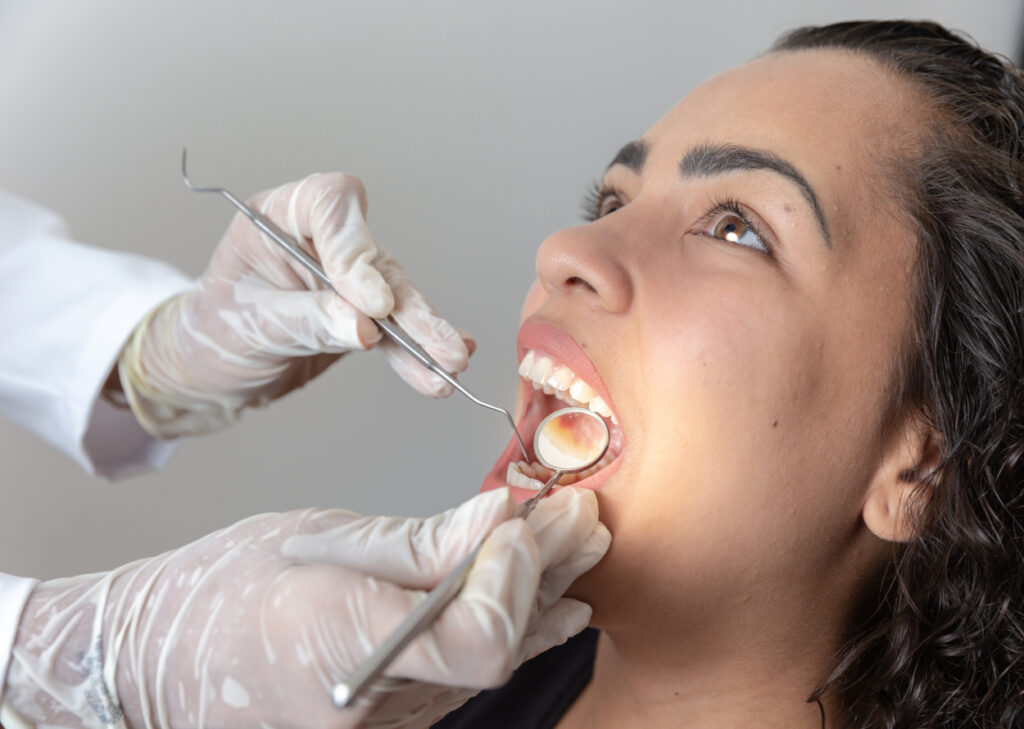
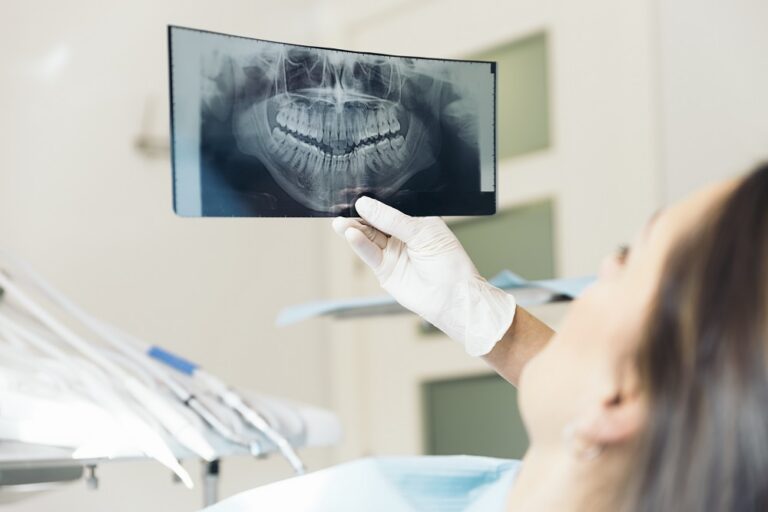
Good periodontal diagnosis is detailed. It is not based on a quick glance. A proper evaluation usually includes measurement of gum pocket depths around each tooth, assessment of bleeding points, recession levels, tooth mobility, and radiographs to evaluate bone support. Existing crowns, fillings, bridges, and implants also need close review because poorly contoured dental work can trap plaque and make maintenance harder.
Those numbers on the periodontal chart tell a story. A healthy sulcus, the natural shallow space between tooth and gum, is typically around 1 to 3 millimeters. As inflammation progresses, that depth can increase. A 4-millimeter area that bleeds easily may need more than a routine cleaning. A 6- or 7-millimeter pocket with radiographic bone loss points toward active periodontal involvement and usually needs deeper intervention.
Diagnosis also depends on distribution. Is the disease generalized throughout the mouth, or concentrated in a few difficult-to-clean areas? Is it mostly around molars, where anatomy creates more hiding places for bacteria? Is an older crown margin contributing to a localized problem? These are not small distinctions. They shape treatment, prognosis, and long-term maintenance.
What Periodontal Treatment Ventura often includes
Periodontal treatment is not one procedure. It is a category of care that ranges from non-surgical therapy to advanced regenerative or surgical treatment. The right path depends on severity, anatomy, medical history, and the patient’s goals.
For early disease, treatment may involve a thorough professional cleaning combined with very specific home-care adjustments. For more established periodontitis, the standard first phase is often scaling and root planing. This is a deeper cleaning performed below the gumline to remove bacteria and calculus from root surfaces. Local anesthetic is commonly used to keep the procedure comfortable. Once those irritants are removed, the gums have a chance to heal and tighten around the teeth.
Many patients ask whether scaling and root planing is “just a cleaning with a different name.” It is not. A routine cleaning focuses on plaque and tartar above the gumline and slightly below it in healthy mouths. Scaling and root planing targets diseased pockets and contaminated root surfaces in areas where routine cleaning is not enough.
After that initial phase, reevaluation is critical. Some sites respond beautifully once the bacterial burden drops and home care improves. Others remain deep or inflamed and may require localized antibiotic therapy, laser-assisted treatment in some offices, or referral to a periodontist for surgery.
When surgery becomes the better option
Surgery is not the first answer for every patient, but there are times when it is the most predictable route. If pockets remain too deep to clean effectively, either for the clinician or the patient at home, the disease can persist despite good effort. In those cases, periodontal flap surgery may be recommended to gain access to the roots and underlying bone, reduce pockets, and create a healthier contour that is easier to maintain.
Regenerative procedures may be considered when there are certain patterns of bone loss. In the right defect, bone grafting materials and barrier membranes can help encourage the body’s natural repair response. Results vary based on anatomy, disease control, and patient factors such as smoking status and general health, but regeneration can be meaningful when the case is selected carefully.
Gum grafting is another important part of periodontal care. This is often used when recession exposes tooth roots, creates sensitivity, or leaves vulnerable areas at risk for further breakdown. Patients sometimes seek grafting for cosmetic reasons, especially in the smile zone, but the functional benefit is just as important. A stronger band of healthy tissue can improve comfort during brushing and reduce the risk of additional recession.
The role of maintenance, which is where success is decided
A surprising number of people think treatment ends once the deep cleaning or surgery is complete. In reality, that is the midpoint. Periodontal disease can be controlled very effectively, but it has a chronic component for many patients. Once a person has demonstrated susceptibility, ongoing maintenance becomes part of protecting the result.
That maintenance schedule is often more frequent than standard six-month cleanings. Many periodontal patients do better on three- or four-month intervals, at least for a period of time. The reason is not arbitrary. The bacterial communities that drive periodontal inflammation can reestablish themselves over time, and shorter recall intervals help disrupt that cycle before damage resumes.
Maintenance visits are also where small problems get caught while they are still manageable. A rough crown margin, a new bleeding site, food impaction around a contact that has opened, or a nightguard that needs adjustment can all influence periodontal stability. Good maintenance is not a passive polish. It is active surveillance.
Home care, done well, changes outcomes
Patients sometimes expect a dramatic new product to fix everything. Most of the time, better results come from basic techniques performed consistently. Effective home care is rarely glamorous, but it is powerful.
Brushing method matters more than force. A soft-bristled brush angled gently at the gumline usually outperforms hard scrubbing, which can irritate tissue and worsen recession. Interdental cleaning is non-negotiable because toothbrush bristles do not clean well between teeth. That can mean floss, interdental brushes, or a water flosser, depending on the patient’s anatomy, dexterity, and restorations. An implant patient with bridgework needs a different routine than a teenager with natural contacts and no recession.
Mouthrinse can help in selected cases, especially for short-term bacterial control, but rinse is a support tool, not a substitute for mechanical cleaning. The same goes for whitening products. Teeth can look brighter and still be periodontally unhealthy. Cosmetic appearance and periodontal health are not the same thing.
One practical point that often gets overlooked is technique fatigue. People start strong after treatment and then drift back to old habits within a few months. The best clinicians anticipate that. They simplify routines, tailor tools to what the patient will actually use, and revisit technique at maintenance appointments without judgment.
The medical side of gum health
Gums do not exist in isolation from the rest of the body. Diabetes is one of the clearest examples. Poorly controlled blood sugar can worsen periodontal inflammation and impair healing, while active periodontal disease can make glucose control more difficult. It is a two-way relationship that deserves respect.
Smoking remains one of the biggest risk factors for treatment failure and disease progression. Smokers do not always bleed as much, which can hide active disease. Vaping introduces its own concerns, particularly when combined with dry mouth and nicotine exposure. Patients sometimes assume vaping is irrelevant to gum health because it feels different from smoking. Clinically, it still raises red flags.
Hormonal changes, immune conditions, certain heart medications, osteoporosis therapies, and dry mouth related to antidepressants or antihistamines can all influence periodontal status. This is why thorough health history matters. The mouth often reflects systemic patterns long before patients connect the dots.
Saving teeth versus replacing them
This is one of the most important judgment calls in periodontal care. Not every compromised tooth should automatically be extracted, and not every tooth can or should be saved at all costs. The right decision balances bone support, mobility, fracture risk, endodontic status, restorative value, cost, and the patient’s long-term ability to maintain the area.
I have seen teeth with guarded prognoses function for years because the patient was committed, the bite was stable, and maintenance was excellent. I have also seen patients pour money into heroic treatment for a tooth that had very little realistic chance of lasting. Skill matters, but so does honesty. Good periodontal care includes knowing when preservation is wise and when replacement planning is more responsible.
Dental implants are often part of that conversation, but implants are not immune to gum problems. They can develop peri-implant mucositis and peri-implantitis, which are inflammatory conditions affecting the tissues around implants. Patients who have lost teeth to periodontal disease are not magically risk-free once implants are placed. They need meticulous maintenance as well.
What to expect during recovery
Recovery depends on the type of treatment. After scaling and root planing, mild soreness, tenderness, and temperature sensitivity are common for a few days. Gums may feel tighter as inflammation decreases. Patients are sometimes surprised that their teeth look slightly longer afterward, but that visual change often reflects reduced swelling rather than damage caused by treatment.
After surgical care, there may be swelling, minor bleeding, dietary restrictions, and a more structured healing period. Soft foods, careful brushing around the treated sites, and close follow-up make a difference. The healthiest recoveries tend to happen when patients know what is normal and what is not. A little discomfort can be expected. Increasing pain, foul taste, fever, or prolonged heavy bleeding should prompt a call.
Realistically, healing is not always linear. Some areas mature quickly. Others remain tender or awkward for a bit longer, especially in patients with thin tissue or extensive inflammation at baseline. Good communication prevents unnecessary worry.
Choosing the right provider in Ventura
When people look for Periodontal Treatment Ventura, they often focus first on convenience, and that is understandable. Location matters if you are juggling work and family schedules. But for periodontal care, convenience should share the stage with experience, diagnostic thoroughness, and a clear maintenance philosophy.
A strong provider explains what is happening in plain language. They show you where the problem is, whether through probing charts, radiographs, or intraoral images. They do not jump straight to the biggest procedure without discussing why simpler options may or may not be enough. Just as important, they make room for the patient’s reality. A treatment plan that looks perfect on paper but ignores finances, anxiety, scheduling limitations, or home-care ability is not a practical plan.
Some cases are well managed by a general dentist with solid periodontal training. Others benefit from a periodontist, especially when surgery, grafting, implant site development, or advanced bone loss is involved. Referral is not a sign that something has gone wrong. It is often a sign that the case is being taken seriously.
The financial side, because it matters
Periodontal treatment costs vary widely based on severity, number of areas involved, imaging, anesthesia, and whether surgery or grafting is needed. Patients deserve transparency here. The least expensive option in the short term is not always the least expensive over several years. Delaying needed treatment can lead to tooth loss, more complex restorations, or https://connerppay155.huicopper.com/understanding-your-options-for-periodontal-treatment-ventura implant work that costs far more than earlier intervention would have.
Insurance coverage can help, but it often comes with limitations, waiting periods, or annual maximums that do not fully reflect the true cost of care. Patients should not feel embarrassed asking for a phased approach. In many practices, treatment can be prioritized strategically, addressing the most urgent active sites first while building a realistic plan for the rest.
Why timing makes such a difference
One of the hardest truths in dentistry is that gums and bone rarely grow back on their own once significant destruction has occurred. That does not mean treatment is hopeless. Far from it. Periodontal therapy can stabilize disease, preserve teeth, improve appearance, and restore comfort. But earlier intervention gives you more to work with.
A shallow pocket is easier to control than a deep one. Mild recession is easier to manage than root exposure combined with advanced bone loss. A slightly mobile tooth offers more options than one that has already drifted, flared, or become painful under function.
Patients often feel guilty when they finally seek care after postponing it. That guilt is not useful. What matters is starting from where you are now, getting an accurate picture of the condition, and building a realistic plan forward.
Protecting smiles one gumline at a time
The phrase may sound simple, but it captures the daily reality of periodontal care. Healthy smiles are preserved through countless small interventions: one bleeding site that gets treated before it deepens, one rough crown margin that gets corrected, one patient who learns how to clean a difficult molar effectively, one maintenance visit that catches recurrent inflammation before bone is lost.
That is the real value of Periodontal Treatment Ventura. It is not just about treating disease after the fact. It is about preserving the framework that lets natural teeth last, implants stay healthy, and smiles remain functional for years. For some patients, that means a deep cleaning and a better home routine. For others, it means surgery, grafting, and long-term maintenance with close monitoring. Both paths can be successful when the diagnosis is careful and the follow-through is strong.
Gums do not ask for much. They ask for consistency, attention, and timely care. When they get it, they often respond better than patients expect. And when they are neglected, they tend to remind us that the strongest smiles are built from the foundation up.
Avra Dental
Address: 1708 S Victoria Ave B, Ventura, CA 93003
Phone number: (805) 941-1001
FAQ About Periodontal Treatment Ventura
Can a dentist get rid of periodontal disease?
A dentist or gum specialist (periodontist) cannot fully cure or reverse advanced periodontal disease (periodontitis), but they can successfully stop its progression and manage the infection.
Is periodontitis very serious?
Yes, periodontitis is a very serious, advanced form of gum disease that destroys the bone and tissues supporting your teeth.
How is stage 2 periodontal disease treated?
Stage 2 periodontal disease (early to moderate periodontitis) is primarily treated with non-surgical deep cleaning procedures like scaling and root planing to remove bacteria and tartar below the gumline.