The Link Between Nutrition and Gum Disease Treatment Recovery
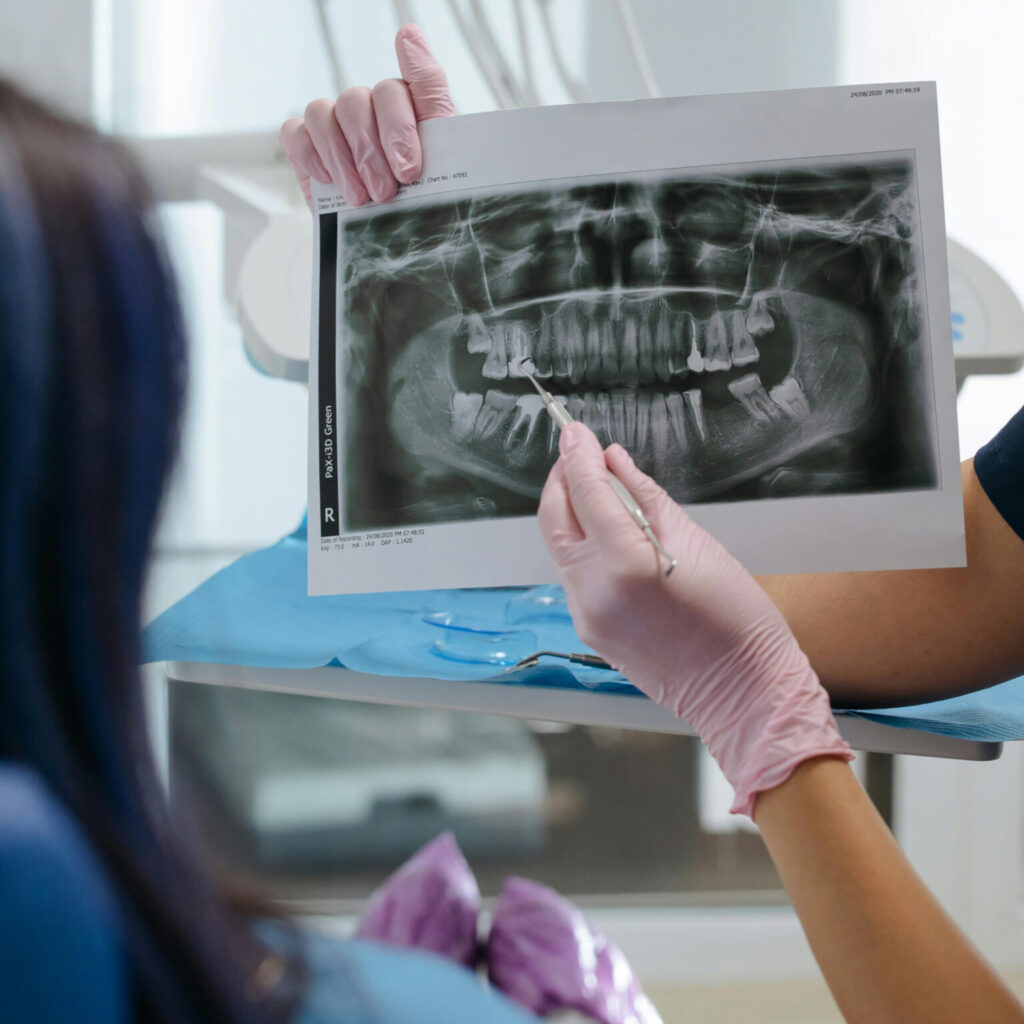
Anyone who treats periodontal disease for a living sees the same pattern again and again. Two patients can have similar pocket depths, similar bone loss, and nearly identical treatment plans, yet their recoveries look very different a few weeks later. One patient’s gums settle down quickly. Bleeding drops, tenderness fades, and home care becomes easier. The other patient struggles with lingering inflammation, soreness, delayed tissue response, and frustrating setbacks.
Technique matters. Professional care matters. Oral hygiene matters. But nutrition often sits quietly in the background, influencing everything from immune response to collagen turnover to the patient’s ability to tolerate the healing process. It is not a magic lever, and it does not replace proper Gum Disease Treatment. Still, when diet is poor, recovery is often harder than it needs to be.
This connection is easy to underestimate because gum disease itself develops slowly. Most people do not wake up one morning with advanced periodontal problems. They move toward it over months or years, through plaque accumulation, an imbalanced oral microbiome, chronic inflammation, smoking or vaping, dry mouth, diabetes, stress, and often a diet that is either low in supportive nutrients, high in ultra-processed foods, or both. Once treatment begins, the body has to repair tissue while still dealing with the same daily inputs that may have contributed to the disease in the first place.
That is where nutrition becomes clinically relevant.
Recovery is a biological process, not just a dental event
After scaling and root planing, periodontal maintenance, localized antimicrobial therapy, or gum surgery, the mouth enters a repair phase. Even in non-surgical treatment, soft tissues need to calm down and reattach as well as they can to cleaner root surfaces. The immune system must reduce bacterial burden without overstimulating inflammation. Tiny blood vessels supply oxygen and nutrients to healing tissue. Cells build and remodel connective tissue. Saliva helps buffer acids, control microbes, and protect mucosal surfaces.
None of that happens in isolation.
A patient with consistent protein intake, adequate hydration, stable blood sugar, and enough micronutrients generally has a better biological environment for healing than a patient living on sweetened coffee, refined snacks, skipped meals, and late-night takeout. That does not mean the first patient is guaranteed an easy recovery or the second is doomed. It means the baseline conditions are different, and those differences show up in practice.
Inflamed gums are vascular and fragile. During and after Gum Disease Treatment, the body is trying to shift from chronic irritation to organized repair. Nutrient status influences this transition. So does the inflammatory burden created by the overall diet.
Why inflamed gums respond so strongly to what you eat
Periodontal disease is not only a bacterial problem. It is an inflammatory disease shaped by the host response. Bacteria in plaque trigger the process, but the severity of tissue destruction is heavily influenced by how the body reacts. Nutrition affects that host response in several ways.
Poor glycemic control is one of the clearest examples. Diets that keep blood sugar swinging upward throughout the day can worsen systemic inflammation and, in people with diabetes or prediabetes, impair healing. Clinicians have long observed the two-way relationship between periodontal disease and diabetes. Uncontrolled blood sugar can make gum inflammation more severe, and serious periodontal infection can make glucose management harder. Recovery after treatment tends to go more smoothly when blood sugar is more stable.
Protein is another major factor. Gums and supporting tissues do not heal out of thin air. Tissue repair requires amino acids. Older adults, people recovering from illness, and patients on restrictive diets sometimes consume far less protein than they realize. They may not feel malnourished, but when healing is slow, the diet history often tells a useful story.
Micronutrients matter too, especially those involved in collagen formation, immune regulation, and antioxidant defense. Vitamin C gets the most attention, and for good reason. Severe deficiency has long been associated with bleeding gums and impaired tissue integrity. Most cases in practice are not dramatic deficiency states, but marginal intake can still be relevant, particularly in patients whose diets rely heavily on packaged foods and very little produce. Zinc, vitamin D, and B vitamins also come up frequently in broader health discussions, though the clinical picture is rarely about one nutrient alone. It is more often a pattern of chronic undernourishment, low dietary variety, or medical conditions that reduce absorption or increase needs.
Then there is the mechanical side of eating. After treatment, many patients choose foods that are soft but not necessarily supportive. Ice cream, pudding, chips softened in soup, sweetened yogurt, white bread, and sugary drinks are easy to tolerate, but they can feed the same inflammatory cycle the treatment is trying to interrupt.
The foods that help most are usually not exotic
Patients sometimes expect a special “gum healing diet,” perhaps with a branded powder or a complicated supplement stack. In reality, the most useful nutritional advice is usually plain and unglamorous. Eat enough protein. Get fruits and vegetables in daily. Keep hydration up. Reduce the constant drip of https://collintowy081.theglensecret.com/gum-disease-treatment-and-bone-loss-what-you-need-to-know sugar and refined starch. Avoid foods that traumatize tender tissues in the short term.
The fundamentals work because they support healing at several levels at once.
Protein from eggs, fish, poultry, Greek yogurt, cottage cheese, tofu, beans, or lentils gives the body the raw material for repair. Vitamin C-rich foods such as citrus, kiwi, berries, bell peppers, and tomatoes support connective tissue function. Omega-3 fats from fish, walnuts, chia, and flax may help temper inflammatory signaling, though they are not a substitute for treatment or medications. Foods rich in zinc and iron may matter for some patients, especially if dietary intake has been poor for a while. Water supports saliva and helps patients avoid relying on acidic or sugary beverages.
What often makes the real difference is not adding one “superfood.” It is removing enough dietary friction that healing can proceed without being undermined all day long.
What recovery meals should actually look like
Right after deep cleaning or periodontal surgery, many people are less interested in nutrients than in comfort. That is understandable. Soreness changes food choices fast. The trick is to find foods that are gentle on the mouth without defaulting to a dessert-style diet.
A good recovery meal is soft, easy to chew, not too hot, not very spicy, and not loaded with sugar. Scrambled eggs with avocado work well for many patients. So does oatmeal made less sweet and enriched with yogurt or nut butter after it cools a bit. Blended soups can be excellent if they contain beans, lentils, chicken, or soft vegetables rather than only broth and cream. A smoothie can help, but it needs some balance. Fruit alone creates a sugar-heavy drink that washes over sensitive tissue. Add Greek yogurt, unsweetened milk or fortified soy milk, and perhaps nut butter or oats, and it becomes more useful.
One practical problem I see often is that patients confuse “soft” with “nutritionally empty.” The first two or three days after treatment are not the time for crusty bread, tortilla chips, seedy crackers, or hard granola. But they also are not an excuse to live on milkshakes. The body notices the difference.
When healthy foods can briefly be the wrong choice
This is where judgment matters. Raw vegetables, seeded berries, crusty whole-grain bread, and spicy dishes may be healthy in the big picture, yet irritating during the first days of recovery. Even acidic foods such as oranges or tomatoes can sting if tissues are very tender.
That does not mean patients should avoid these foods for weeks. It means the timing and form matter. Steamed vegetables may be better than raw salads for a few days. A smoothie may be easier than chewing whole fruit if the mouth is sore, though using a straw is sometimes discouraged after certain procedures, so individual instructions matter. Soft fish may be easier than steak. Warm, not hot, soup is more comfortable than a piping-hot bowl that increases sensitivity.
There is a trade-off between gentleness and nutritional density. The best approach usually blends both.
Sugar frequency is often more important than one indulgence
Many patients ask whether one dessert will ruin their results. Usually, no. Recovery is not derailed by a single cookie. The more relevant issue is repeated exposure throughout the day.
Frequent sipping of sweet drinks, constant snacking on refined carbohydrates, and using candy or mints to manage dry mouth create an oral environment that favors bacterial persistence. This matters during healing because tissues are already trying to calm inflammation and reestablish a healthier relationship with the oral biofilm.
A patient who drinks sweet coffee over three hours each morning, has a granola bar midmorning, sports drink in the afternoon, and something sugary after dinner may never feel like they “eat much sugar.” Yet their gums experience a recurring metabolic and microbial challenge all day.
Reducing frequency helps. So does pairing carbohydrates with protein or fat, which can moderate blood sugar impact and improve satiety. Patients often do better when they eat more intentionally at meals instead of grazing.
Hydration and saliva are part of the story
Dry mouth is not a small side issue. Saliva helps control microbial growth, lubricates soft tissue, supports remineralization, and buffers the mouth. Recovery is harder when saliva is limited. Many adults dealing with gum disease also take medications that reduce salivary flow, including some antidepressants, blood pressure medications, antihistamines, and others.
Dehydration compounds the problem. So do alcohol, frequent caffeinated drinks without enough water, and mouth breathing during sleep.
Patients do not need to obsess over ounces, but they do need to understand that a dry mouth heals less comfortably. If the mouth feels sticky, if food seems to cling, if they wake thirsty, or if they rely on lozenges throughout the day, hydration and saliva support deserve attention. Sometimes simple changes help more than patients expect, such as keeping water nearby, using a humidifier at night, or switching from sweetened drinks to plain water more often.
Patients with diabetes, digestive issues, or restrictive diets need a tailored approach
Nutrition advice should never be generic when the medical context is complex. A patient with diabetes needs recovery meals that are soft and healing-friendly but also compatible with glucose control. That might mean emphasizing eggs, cottage cheese, lentil soups, plain yogurt, and softer cooked vegetables rather than sweet puddings, juices, or mashed potatoes alone.
A patient with Crohn’s disease, celiac disease, or a history of bariatric surgery may already be at higher risk for nutrient gaps. In those cases, slow periodontal healing should prompt a broader conversation with the medical team, especially if fatigue, weight loss, or other signs of poor nutritional status are also present.
Vegetarian and vegan diets can absolutely support excellent periodontal recovery, but they need enough total protein and adequate planning. A patient who eats mostly toast, fruit, and salad under the banner of “plant-based” may not be meeting healing needs. A patient who includes tofu, tempeh, beans, lentils, soy milk, nuts, seeds, and fortified foods is in a very different position.
Older adults deserve special mention. Many have reduced appetite, dental wear, missing teeth, dry mouth, or limited dexterity that makes cooking harder. They often gravitate toward soft, processed foods because those foods are easy. If they are recovering from Gum Disease Treatment, the challenge is to make nutrient-dense eating practical, not theoretical.
Supplements can help sometimes, but they should not be the first answer
Patients often ask whether they should start vitamin C, vitamin D, collagen powder, probiotics, or fish oil after periodontal treatment. The honest answer is that supplements can be reasonable in selected situations, but they are not a shortcut around a weak diet.
If someone has a documented deficiency, poor intake, absorption issues, or a medical reason for increased need, supplementation may be appropriate and sometimes necessary. Vitamin D deficiency, for example, is common in some populations, and correcting it can support broader health. But starting five supplements without a clear reason rarely produces dramatic dental results on its own.
The more reliable path is to review actual eating patterns first. Are meals regular? Is there enough protein? Are fruits and vegetables present daily? Is sugar intake constant? Is the patient hydrated? These questions uncover far more than a shopping bag of supplements usually does.
The first week after treatment is where habits either support healing or work against it
The immediate recovery window matters because it sets the tone. Patients are more likely to follow instructions closely for a few days after treatment than they are a month later. That makes it an ideal time to line up meals and snacks that support healing.
A simple framework works well:
- Keep foods soft and non-irritating for the first few days, then return gradually to normal textures as comfort improves.
- Include protein at each meal, even if portions are small.
- Limit sugary drinks and frequent sweet snacks.
- Drink water consistently and pay attention to dry mouth.
- Follow the dentist or periodontist’s aftercare instructions, especially if surgery was involved.
Those five points sound basic because they are basic. In practice, basic is often what patients can actually do.
A brief example from practice
Consider two common recovery patterns after non-surgical periodontal therapy.
One patient leaves the office determined to “eat soft foods,” then spends two days on ice cream, mashed potatoes, sweetened coffee, and crackers because chewing feels awkward. Bleeding improves somewhat, but the gums remain puffy and tender longer than expected. The patient feels hungry, tired, and annoyed.
Another patient plans ahead. They stock eggs, plain yogurt, blended vegetable soup, soft fish, oatmeal, bananas, cottage cheese, and a few easy smoothie ingredients. They still avoid crunchy foods and anything spicy, but they eat enough, stay hydrated, and keep sugar intake lower. Discomfort is not magically absent, yet recovery tends to be steadier and easier to manage.
That difference is not anecdotal in the casual sense. It is the kind of pattern clinicians repeatedly observe.
Inflammation does not stop at the gumline
A useful way to think about nutrition and Gum Disease Treatment is to stop separating the mouth from the rest of the body. Periodontal tissues are not isolated from sleep, stress, metabolic health, smoking, medications, or diet. They reflect all of it.
A patient with high chronic stress may grind their teeth, skip meals, reach for ultra-processed convenience foods, and sleep poorly. Another may be managing insulin resistance, taking a medication that causes dry mouth, and relying on sports drinks because plain water feels boring. These factors stack. The mouth reveals the stackup sooner than people realize.
That is why short, realistic dietary adjustments often outperform idealized advice. Telling someone to “eat clean” does nothing. Helping them swap a daily sugary latte and pastry for eggs and unsweetened yogurt is far more meaningful. Encouraging a high-protein soup after treatment is more useful than handing them a dense nutrient chart. Recovery improves through repeated practical choices, not through perfect eating.
What dental teams should communicate more clearly
Many patients do not receive much dietary guidance beyond “avoid hard foods” and “don’t eat until numbness wears off.” Those instructions are important, but they are incomplete. Patients benefit from knowing why nutrition matters to periodontal healing, not just what to avoid chewing.
Useful counseling can be short and direct. Explain that the gums are healing tissue, not just sore tissue. Explain that protein, hydration, and lower sugar frequency support recovery. Explain that if they have diabetes, dry mouth, digestive disease, or a very limited diet, they may need more personalized support. When patients understand the logic, compliance improves.
There is also value in asking one or two specific questions instead of giving a lecture. What will you probably eat tonight? What soft protein do you have at home? How often do you sip sweet drinks during the day? Those questions reveal obstacles quickly.
The longer view matters more than the perfect recovery menu
The first week after treatment gets attention because it is visible and immediate, but long-term eating patterns matter more for periodontal stability. A patient can eat beautifully for three days after treatment and still relapse if the next six months are dominated by smoking, poor plaque control, uncontrolled diabetes, and a diet heavy in refined carbohydrates. Nutrition supports healing in the short run and resistance to recurrent inflammation in the long run.
The most successful patients usually do not chase perfection. They reduce the major stressors on the healing process. They eat enough protein. They improve food quality where they can. They control sugar exposure better than before. They hydrate more consistently. They follow through with maintenance care. They understand that Gum Disease Treatment is not a one-time mechanical fix but part of an ongoing effort to create a healthier oral environment.
That effort includes the plate as much as the toothbrush.
When patients see nutrition through that lens, the advice stops sounding abstract. It becomes practical, measurable, and worth acting on. Their gums often respond accordingly.
Dental Group Of Beverly Hills
Address: 8641 Wilshire Blvd #125, Beverly Hills, CA 90211
Phone number: +13109296335
FAQ About Gum Disease Treatment
How to improve gum health quickly?
To improve gum health quickly, eliminate plaque buildup by brushing for two full minutes twice a day at a 45-degree angle to the gumline. Floss daily to clean under the gumline, and rinse with an antimicrobial, alcohol-free mouthwash. For immediate relief of soreness, use a warm saltwater rinse.
What is the fastest way to cure gum disease?
To quickly cure early-stage gum disease (gingivitis), eliminate the plaque buildup causing the inflammation. Brush gently but thoroughly for two minutes twice daily, floss daily, and use an antibacterial mouthwash or a warm saltwater rinse. However, if tartar has hardened, professional treatment is necessary.
How do I treat my gum disease at home?
You can treat early gum disease at home by practicing strict daily oral hygiene, rinsing with salt water or antibacterial mouthwash, and quitting smoking. True gum disease (especially advanced forms like periodontitis) cannot be fully cured at home once tartar forms, and you must see a dentist for professional cleanings.